Animal Collection Illustration
A Designer’s First Glance: Charm, Clarity, and Craft Readiness
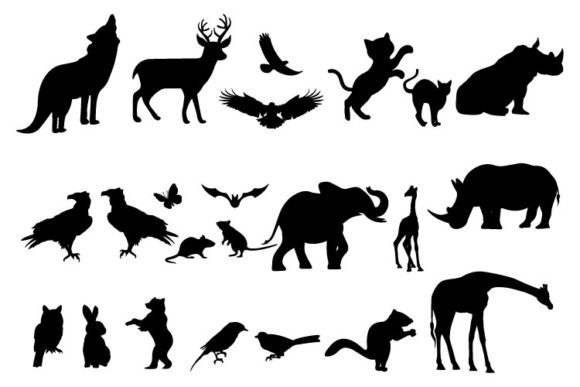
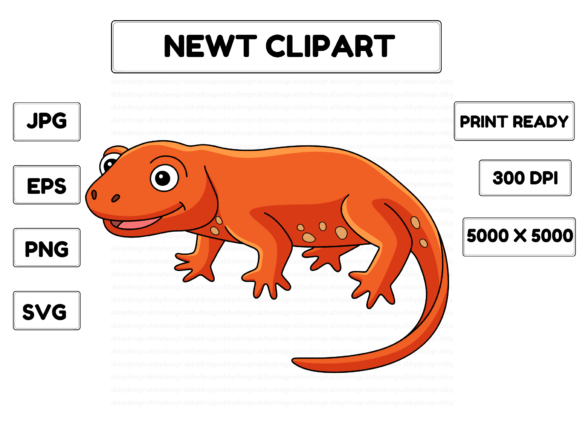
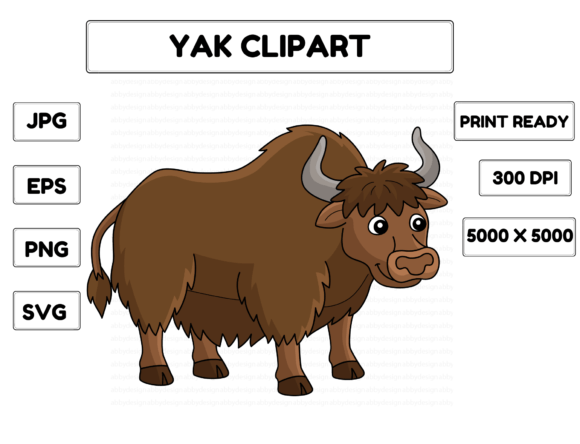
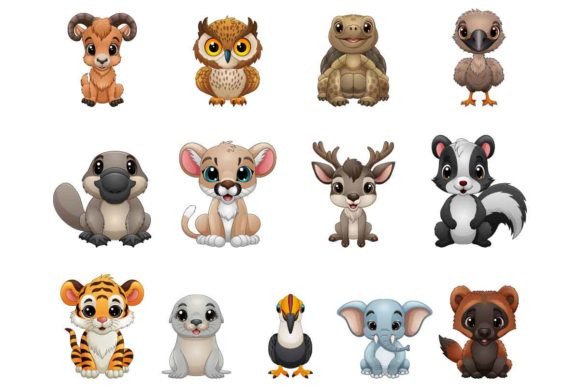
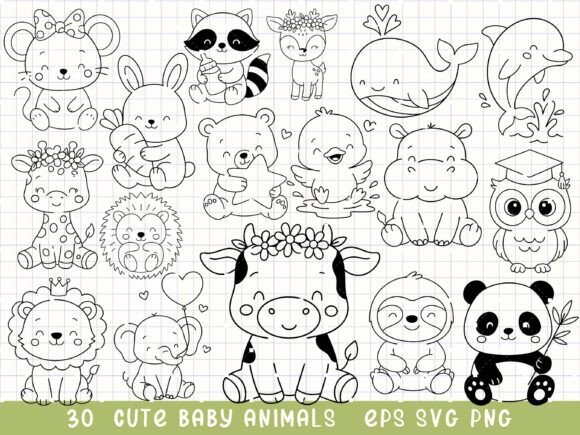
Opening Animal Collection Illustration for the first time, I felt that familiar spark—less “wow, pretty!” and more “yes, this could live on a real thing.” It’s not overly stylized or cartoonish; it’s warm, approachable, and quietly confident. The composition feels balanced—not too busy, not too sparse—with animals arranged in a gentle arc that invites the eye to wander without getting lost. There’s enough detail to feel intentional (soft fur texture hinted in line weight, subtle ear contours, expressive but restrained eyes), yet none of it screams “I’ll tangle your needle.” That’s critical. As someone who’s stitched dozens of animal-themed designs onto baby onesies, linen tea towels, and organic cotton tote bags, I know how easily charm becomes chaos under thread.
Where It Shines: Real Projects, Real Customers
I tested Animal Collection Illustration as the centerpiece for a custom embroidered linen apron—meant for a local bakery’s staff gifting program. It worked beautifully: the clean outlines translated crisply into satin stitch borders, the open negative space between animals gave fill stitches room to breathe, and the overall scale held up at 4.5” wide without losing legibility. That same design later became an embroidered patch sewn onto denim backpacks for a kids’ summer camp—no fraying, no skipped stitches, even after three rounds of washing and drying. It also performed well as a sweatshirt embroidery piece, especially when paired with a medium-weight tear-away stabilizer and matte cotton thread. Customers noticed it immediately—not just because it’s cute, but because it looks *intentionally made*, not digitally pasted.
For Etsy sellers and small shop owners, this is gold. Animal Collection Illustration fits naturally into nursery decor bundles, holiday gift sets (think embroidered kitchen towels with matching oven mitts), and personalized baby blankets. It reads as thoughtful—not generic—and elevates the perceived value of a handmade product without demanding premium pricing. I’ve seen similar designs fall flat on dark fabric or stretchy knits; this one holds its own, provided you adjust stabilizer and tension appropriately.
Where to Pause—and Why
Don’t rush this into tiny hoops or ultra-fine fabrics without testing. While the vector files (AI and EPS) give flexibility, the 1920px × 1280px canvas size means scaling down below 3” risks softening key details—especially delicate ear tips or whisker lines. On thin cotton voile or textured burlap, those subtler linework elements can blur or disappear entirely during stitching. And while it adapts well to curved surfaces like caps, avoid placing the full layout across the front crown unless you’re using a multi-hooping technique—some spacing and flow gets lost in distortion.
Also worth noting: there’s no built-in applique layer or separate color breaks in the file description. If you’re planning an applique design or need precise thread color stops for a commercial embroidery run, verify whether those are included—or be prepared to digitize them yourself. Likewise, dense fill areas aren’t specified, so stitch density is something you’ll want to assess in your embroidery software before committing to production runs.
What This Means for Your Craft Business
Animal Collection Illustration strengthens brand consistency when used across a cohesive product line—say, matching embroidered pillow covers and tea towels for a boutique home goods collection. Its visual personality is friendly but not childish, detailed but not fussy—making it versatile across age groups and use cases. Buyers respond well to that balance: it feels personal without being overly niche, professional without feeling cold. For craft fair vendors, it’s a strong anchor design—you can offer it solo on a tote bag or layered with monogramming for a personalized gift. And for digital product sellers, it’s a smart addition to a themed bundle (e.g., “Nature & Nurture Graphics”) since it complements rather than competes with botanical or seasonal illustrations.
Practical Embroidery Designer Notes
Before stitching your first Animal Collection Illustration project:
- Always test on scrap fabric matching your final substrate—especially for stretchy, napped, or dark fabrics.
- Check thread color contrast early: what reads clearly in black-and-white mockups may vanish on navy or charcoal.
- Review stitch density in your embroidery software—look for tight clusters that could cause puckering or excessive thread buildup.
- Confirm hoop size compatibility; if working with small-format machines, scale thoughtfully and inspect corners and fine lines at actual stitch-out size.
- Use appropriate stabilizer—cut-away for knits, tear-away for stable wovens, and fusible + tear-away for lightweight linens.
- Test both light and dark background mockups to gauge visibility and emotional tone—it shifts noticeably.
- Verify licensing terms before selling finished products or reselling digital files; the listing mentions AI and EPS formats but doesn’t clarify commercial use scope.
Final Thought: Design That Serves the Stitch, Not Just the Screen
Animal Collection Illustration isn’t flashy—but it’s reliable. It doesn’t try to be everything, and that’s its strength. In a market flooded with over-digitized, over-complicated embroidery files, this one respects the craft. It leaves room for your skill, your materials, and your customer’s expectations. Whether you’re stitching a single personalized gift or prepping fifty embroidered patches for a wholesale order, it behaves. It translates. It endures. That’s not just good design—it’s good business.