Senior Baseball Template, Class of 2026
A Designer’s First Look: Clean, Nostalgic, and Ready for Real Stitching
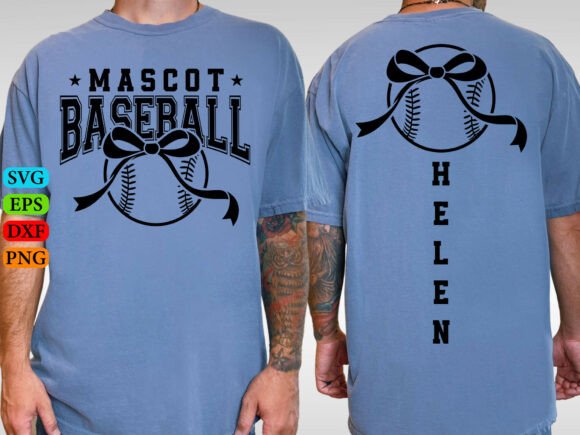
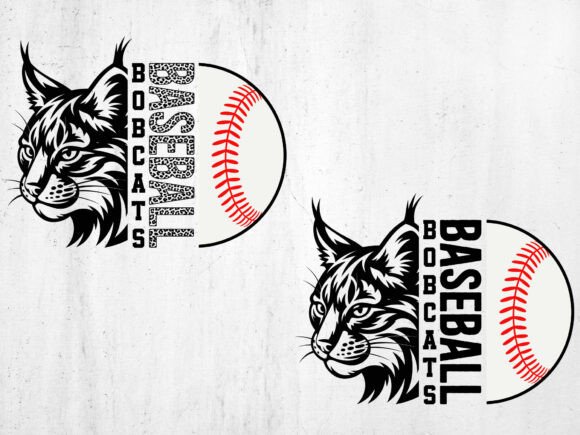
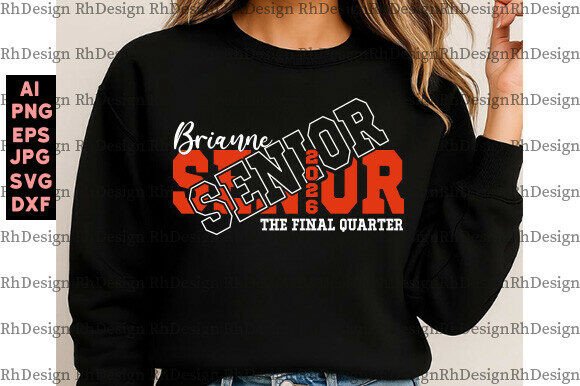
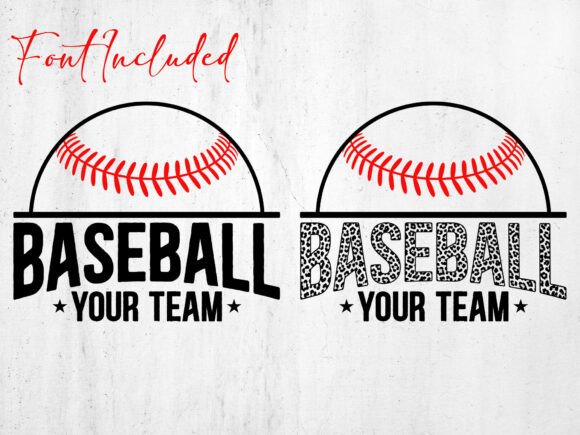
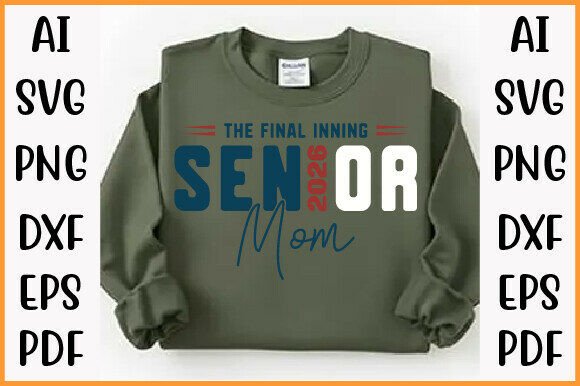
When I opened the Senior Baseball Template, Class of 2026 zip file, my eye went straight to the SVG preview — not because it’s flashy, but because it feels *intentional*. The layout balances a classic baseball motif (a clean glove, stitched ball, and subtle bat) with crisp, legible typography that anchors “Class of 2026” without crowding. It’s not overly ornate, which is exactly what makes it strong for embroidery: no tiny flourishes that’ll vanish in satin stitch, no fragile serifs that’ll blur on knit fabric. This isn’t just a graphic — it’s a thoughtful embroidery file disguised as a T-Shirt Design.
How It Performs on Actual Embroidered Products
Last week, I used the Senior Baseball Template, Class of 2026 to create a limited run of embroidered tote bags for a local high school senior send-off event. We stitched it on midweight canvas — medium hoop size, tear-away stabilizer, standard 40-weight polyester thread. The result? Crisp edges, even fill stitches in the ball’s texture, and lettering that read clearly from six feet away. No puckering. No thread breaks. That tells me this design respects real-world machine embroidery design constraints.
It also translated beautifully to a lightweight cotton sweatshirt — we adjusted underlay and reduced density slightly, and the design retained its warmth and personality. On baby onesies? I’d recommend using the PNG transparent version to trace placement first, then stitch at 85–90% scale with light cutaway stabilizer. The shape holds up well on curved surfaces like caps too — the central elements sit comfortably within a 4" x 4" hoop, and the negative space around the ball gives breathing room for cap seams.
Where to Use It — and Where to Pause
The Senior Baseball Template, Class of 2026 shines on structured, stable fabrics: denim jackets, twill aprons, canvas pillow covers, tea towels, and unstructured tote bags. It works especially well for boutique merchandise where authenticity matters — think graduation gift bundles or small shop product lines built around local school pride.
That said, proceed with care on stretchy knits (like jersey t-shirts), ultra-thin fabrics (baby muslin), or heavily textured surfaces (burlap, heavy corduroy). The lettering is clear but not oversized — on dark fabric, test contrast with navy or charcoal thread instead of black; on light fabric, avoid pastel threads that mute definition. And while the design includes no applique elements, if you’re planning to add one (e.g., a felt baseball), confirm the base file’s stitch density won’t compete visually — this file leans toward balanced fill and running stitch, not aggressive density.
What It Adds to Your Finished Product — Beyond the Stitch
This isn’t just decoration. When stitched well, the Senior Baseball Template, Class of 2026 elevates perceived value. Parents notice the craftsmanship in the consistent satin stitch on the glove outline. Graduates recognize the quiet confidence in the typography — no clip-art energy, no dated gradients. That builds trust: your handmade product feels considered, not assembled.
For Etsy sellers and craft fair vendors, it supports brand consistency across collections — pair it with simple monogrammed initials or coordinate with matching vinyl decals (using the SVG or EPS files). As a digital embroidery file, it’s versatile enough for printable mockups, client previews, or layered holiday embroidery (think: stitched on a graduation-themed kitchen towel set). And because it avoids trendy gimmicks, it stays relevant beyond 2026 — swap the year manually in vector editors if needed for future classes.
Practical Notes Every Embroidery Designer Should Check
- Test first: Run a sample on scrap fabric matching your final product’s weight and weave — especially important for sweatshirt embroidery or baby embroidery.
- Stabilizer matters: Use cutaway for knits, tear-away for stable wovens, and fusible + tear-away for lightweight layers like apron pockets.
- Thread colors: The design doesn’t prescribe thread palettes, so choose contrast intentionally — e.g., white thread on navy fabric reads stronger than light gray.
- Hoop size: Confirm your machine’s maximum hoop dimensions before scaling. The core layout fits comfortably in a 4" x 4", but check corners if stitching near seams or edges.
- Licensing: Since this is an Instant Download SVG DESIGN with AI, EPS, DXF, and PDF included, verify usage rights before selling finished embroidered items commercially or reselling the digital files. Review the seller’s terms — this affects Etsy sellers, craft business owners, and digital product sellers alike.
- Mock it up: Drop the PNG transparent into a black-and-white mockup first. If it loses impact in grayscale, adjust stitch density or outline weight before finalizing.
Final Thought: A Quietly Confident Design Choice
I’ve reviewed hundreds of graduation-themed graphics, and most fall into two camps: overdesigned or underdeveloped. The Senior Baseball Template, Class of 2026 avoids both. It doesn’t shout — it resonates. Whether you’re stitching a single personalized gift or building a seasonal collection for your small shop product line, this design supports intention over impulse. It respects the craft, the customer, and the context — whether that’s a hand-stitched patch sewn onto a graduation cap or a crisp embroidered tote bag handed out at commencement. For embroidery designers and creative entrepreneurs who value clarity, wearability, and quiet professionalism, this is more than a template. It’s a reliable design asset — ready to stitch, ready to sell, and ready to mean something.