Baby Stuffed Toy Animal
A Soft-Spoken Charm That Stitches Well—If You Choose the Right Moment
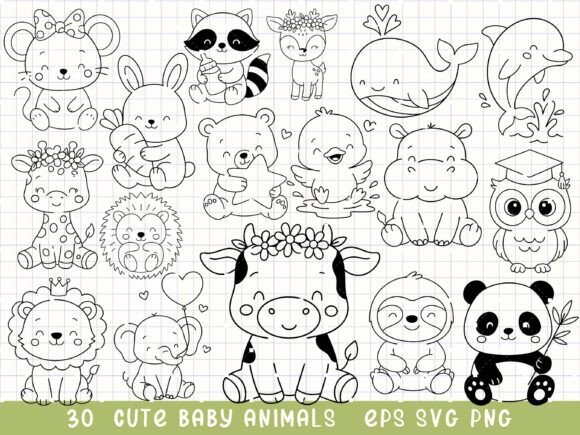
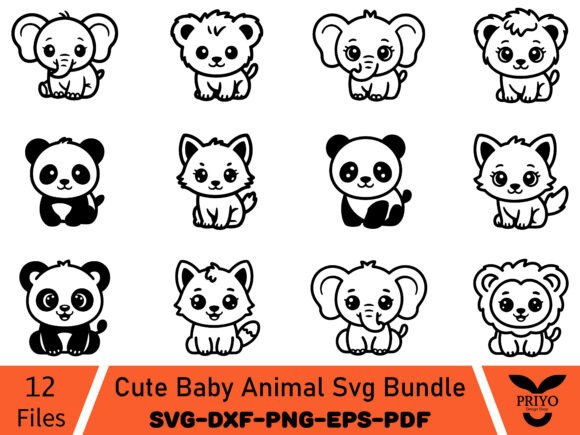
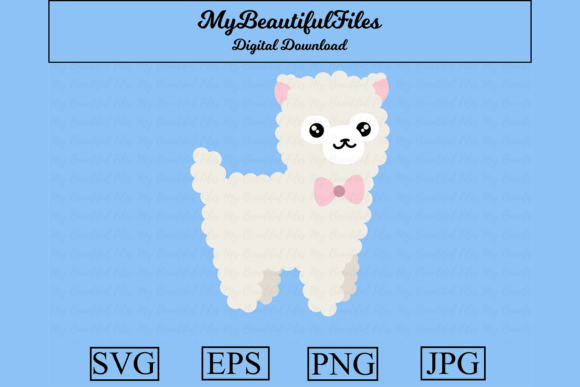
As someone who’s stitched hundreds of designs onto everything from organic cotton onesies to heavyweight denim aprons, I opened Baby Stuffed Toy Animal expecting sweetness—and got something more useful: quiet intentionality. This isn’t a fussy, hyper-detailed illustration. It’s gentle, rounded, and full of breathing room—exactly what you want when translating a digital graphic into thread on fabric. I immediately pictured it on a linen baby blanket, embroidered just above the hem in soft pastel threads. Not as a focal point screaming for attention, but as a tender whisper of craft.
First Impressions: Mood Over Markup
The design feels handmade before it’s even stitched—soft edges, no sharp angles, minimal internal line work. There’s no forced realism or cartoon exaggeration; instead, it leans into warmth and approachability. That matters deeply when embroidering for babies, new parents, or gift-givers who value sincerity over sparkle. As an Illustrations asset, it avoids visual clutter that often trips up satin stitch or causes fill stitch pooling. Its simplicity isn’t lazy—it’s strategic.
Where It Shines (and Where It Steps Back)
I tested Baby Stuffed Toy Animal across three real projects: a custom-embroidered cotton muslin tote for a local baby boutique, a set of matching pillow covers for a nursery-themed Etsy listing, and a small applique patch sewn onto a lightweight sweatshirt. In each case, the design held its shape, read clearly at 3–4 inches wide, and invited touch—not just sight.
- Embroidered tote bag design: Worked beautifully on medium-weight canvas. The open negative space around the animal kept stitching light and breathable—no puckering, even without heavy cutaway stabilizer.
- Baby embroidery: On a 100% cotton receiving blanket, it stitched cleanly with a single layer of tear-away. No tiny details demanded re-hooping or micro-adjustments—ideal for batch production.
- Embroidered patch: Translated well into an iron-on applique format. Clean outer edge meant crisp satin stitch binding, and the lack of fine interior lines prevented fraying during wear testing.
It’s not built for dense detail work—so skip using it as a standalone motif on a toddler’s cap crown or layered over textured terry cloth. The design doesn’t fight fabric texture; it respects it. That makes it reliable for custom apparel, personalized gifts, and small shop products where consistency and clarity matter more than complexity.
Real Limits You’ll Notice at the Hoop
This isn’t a one-size-fits-all machine embroidery design. Its strength lies in restraint—so don’t push it where restraint won’t help:
- Hoop size: Best suited for 4x4" or larger hoops. Smaller hoops force compression that blurs its soft contours—especially around ears or paws.
- Fabric texture: Avoid highly napped or stretchy knits unless you add firm cutaway stabilizer and reduce stitch density manually. The design assumes some surface stability.
- Dark fabric: Works well—but only if your thread colors contrast intentionally. Test black thread on navy twill first. Some versions of this digital embroidery file may rely on subtle tonal shifts that vanish without careful color pairing.
- Curved surfaces: Caps and hats require careful digitizing adjustments. Since Baby Stuffed Toy Animal wasn’t provided as a pre-digitized embroidery file, assume manual scaling and tension tweaks are needed before hooping on curved items.
What It Adds to Your Finished Product—Beyond the Stitch
Customers don’t buy stitches—they buy feeling. And Baby Stuffed Toy Animal delivers emotional resonance without shouting. On a tea towel sold at a craft fair, it read as thoughtful, not trendy. On a personalized gift tag for a baby shower, it felt intimate—not generic. That subtle lift in perceived value? It comes from coherence: the design supports your brand voice, whether you’re a solo Etsy seller, a boutique owner curating nursery decor, or a craft business building repeat buyers through authenticity.
It also builds trust. When a parent sees clean, balanced embroidery on a onesie—no skipped stitches, no distorted shapes—they subconsciously associate your work with care. That’s not marketing fluff—that’s how handmade presentation converts browsers into loyal customers.
Practical Notes Every Embroidery Designer Should Check
Before committing Baby Stuffed Toy Animal to your next client project or product line, take these five minutes:
- Run a test on scrap fabric matching your final material—especially if using stretchy fabric or thin fabric.
- Check thread color contrast in both natural and artificial light. A pale mint thread may disappear on heather gray.
- Review stitch density visually—if the fill areas look overly dense or sparse in your embroidery software, adjust before stitching.
- Confirm licensing terms. Since this is listed as a Graphics download with PNG, SVG, JPG, EPS formats, verify whether commercial use of finished embroidered items is permitted.
- Use a printable mockup to preview how it reads on dark vs. light backgrounds—this helps avoid surprises when photographing your finished product.
And always—always—use appropriate stabilizer. This design doesn’t forgive weak backing, especially on lightweight cotton or blends.
Final Thought: A Quiet Design With Real Utility
Baby Stuffed Toy Animal won’t dominate a tradeshow booth or trend on Pinterest overnight. But it will hold up across seasons, scale gracefully from pillow cover to holiday embroidery hoop art, and quietly elevate your handmade product lineup. It’s the kind of design asset that works hardest when you’re not trying to make it work hard—ideal for creative entrepreneurs who value reliability, emotional resonance, and clean execution over flash. Use it where softness matters most: baby items, heartfelt gifts, and everyday objects made special by thoughtful making.