Cute Animal Clipart – 61 Designs: Graphics & Illustrations for Playful Branding
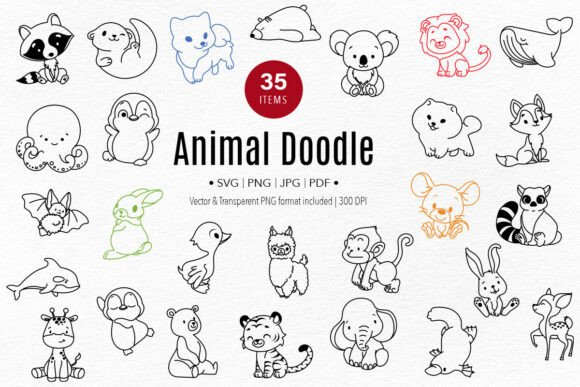
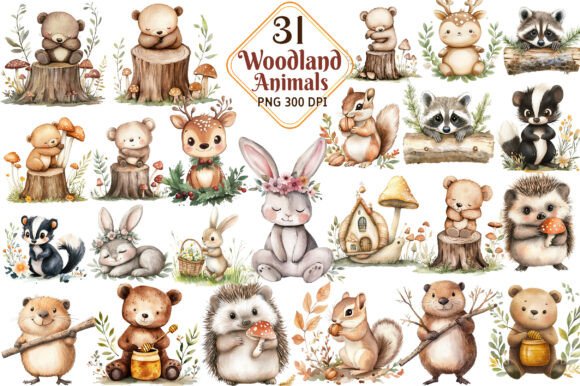
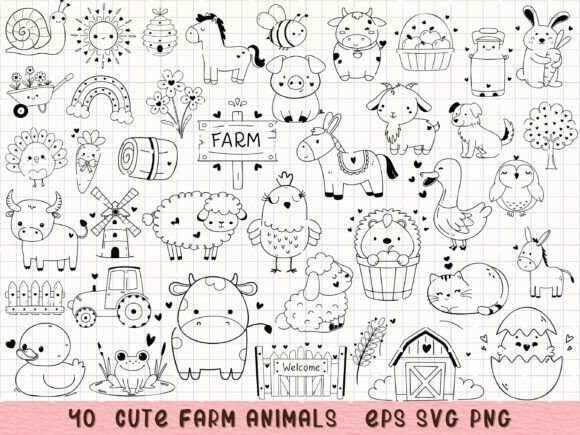
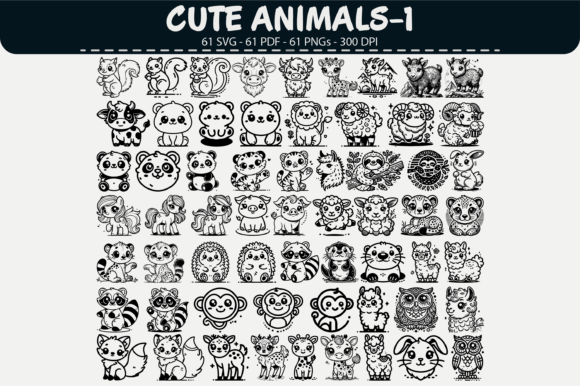
As a graphic designer who’s built visual identities for handmade businesses, nursery product lines, and seasonal Etsy launches over the past 12 years, I opened Cute Animal Clipart – 61 Designs expecting charm—but what stood out immediately was its intentional consistency. These aren’t scattered doodles; they’re a thoughtfully curated design bundle where every fox, bunny, owl, and hedgehog shares the same soft line weight, rounded proportions, and gentle color palette. The mood is warm, nurturing, and quietly joyful—ideal for a client launching an organic baby skincare line or designing printable growth charts for a boutique children’s boutique.
Where This Clipart Bundle Earns Its Place in Real Client Work
Cute Animal Clipart – 61 Designs excels when supporting brand storytelling—not leading it. For example, I recently used three of these illustrations as decorative accents on product labels for a small-batch oatmeal soap brand targeting new parents. They didn’t overpower the clean sans-serif typography or the earthy kraft packaging; instead, they added emotional resonance without sacrificing sophistication. That balance is rare in clipart—and critical for commercial design.
In practice, this set shines across:
- Packaging design: Perfect for sticker seals, jar labels, and gift box liners where subtle whimsy reinforces care and craft
- Printable design: Scales beautifully from A4 wall art to 5×7 greeting cards—especially with the included PNG files featuring crisp transparency
- Social media graphics: Works exceptionally well in Instagram carousels and Pinterest pins where warmth and recognizability drive engagement
- Cricut projects and sublimation design: Clean outlines and generous negative space make cutting and heat-transfer reliable
- Canva templates and digital products: Blends seamlessly with modern fonts—pair them with a friendly script font for invitations or a sturdy sans serif for educational printables
Design Scenarios Where It Adds Immediate Polish
This isn’t clipart for filler—it’s a strategic graphic design asset. When layered into hero banners for a spring-themed blog series on eco-friendly toys, the animals created instant visual cohesion across six posts. In a product mockup for reusable snack bags, placing a sleeping sloth illustration on the front panel made the design feel cohesive, approachable, and on-brand—no custom illustration needed.
It also performs strongly in themed collections: think Easter egg coloring sheets, back-to-school planners, or summer camp activity guides. Because each animal maintains consistent stroke rhythm and spacing, the set reads as unified—not like a patchwork of mismatched assets. That unity directly supports brand identity, even when used indirectly.
Where Caution Is Required (and Why)
While versatile, Cute Animal Clipart – 61 Designs isn’t universally scalable. At under 24px tall, details like paw pads or ear tufts begin to blur—so avoid using them as tiny icons in app interfaces or dense infographics. Similarly, in minimalist branding systems that rely on stark contrast and restrained elements, these illustrations can unintentionally soften visual hierarchy or dilute perceived professionalism.
They’re also not ideal for low-contrast backgrounds (e.g., light yellow on pale peach) unless you manually adjust levels or add subtle drop shadows. And while charming for a local library’s storytime flyer, they’d feel tonally misaligned in a B2B fintech dashboard or corporate annual report—context matters as much as craft.
What Every Designer Must Test Before Client Use
Before dropping Cute Animal Clipart – 61 Designs into a live project, I run five quick checks:
- Black-and-white conversion: Do shapes hold up without color cues? (They do—most retain strong silhouette recognition.)
- Background contrast: Preview each PNG on both light and dark mockups—some lighter animals need subtle outlines for legibility.
- Real-size scaling: Zoom out to 25% in your layout software—do edges stay smooth? (SVG versions handle this flawlessly; PNGs depend on resolution.)
- Font pairing: Try them beside serif (e.g., Merriweather), sans serif (Inter), script (Pacifico), and display fonts (Fredoka)—they harmonize best with rounded, open forms.
- Licensing clarity: Confirm commercial license terms cover your client’s use case—especially for print-on-demand, Etsy products, or subscription-based digital goods.
Final Verdict: A Reliable Asset for Human-Centered Design
Cute Animal Clipart – 61 Designs doesn’t try to be everything—it knows its lane: heartfelt, child-friendly, commercially viable illustration for brands that value emotional authenticity over clinical precision. It strengthens marketing visuals by making them feel personal. It elevates printable design by adding cohesion without complexity. And for small business branding, it delivers professional polish without demanding custom illustration budgets.
That said, treat it like any serious design asset: inspect the file formats (PNG transparency, SVG editability), test print quality on your intended stock, and always place it in context—not just on white canvas, but on real packaging, actual social feeds, and physical mockups. When used intentionally, Cute Animal Clipart – 61 Designs becomes more than clipart. It becomes part of the brand’s visual voice.