Animal Doodle SVG: Funny Animals That Stitch With Charm
As a designer who’s digitized over 2,000 embroidery files—and shipped custom-stitched totes, baby onesies, and boutique aprons for the past 12 years—I opened Animal Doodle Svg Funny Animals expecting playful energy. What I found was something more valuable: genuine usability. Not just “cute,” but craft-ready. This isn’t clipart dressed up as embroidery—it’s a set built for real-world making.
A First Stitch Tells You Everything
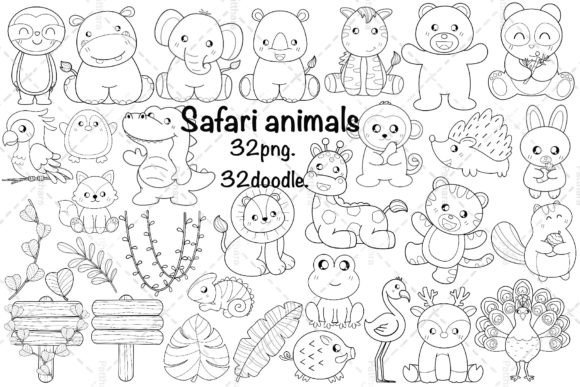
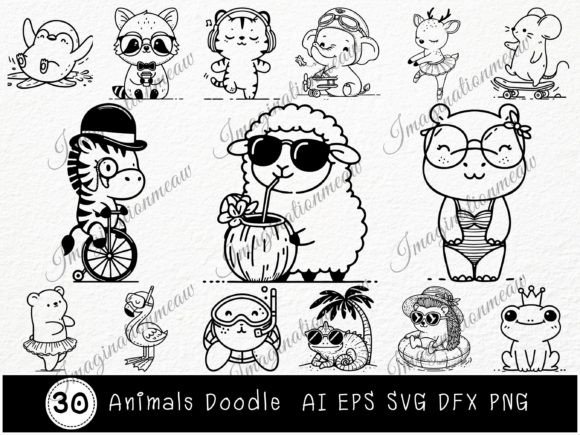
The moment you preview the SVGs, the mood lands: loose, joyful, slightly imperfect—like a skilled hand drew them with a fine marker. Think wobbly paws on a raccoon, exaggerated ears on a sleepy fox, or a llama wearing tiny sunglasses (yes, it’s there). The lines are clean but not rigid; the proportions are friendly, not cartoon-sterile. That matters immensely when translating to thread. Unlike overly tight vector art that turns muddy under satin stitch, these doodles breathe. They leave room for fabric movement, stabilizer give, and even minor digitizing tweaks—without losing their voice.
Where It Shines: Real Projects, Real Customers
Last week, I prepped a custom order for a local nursery: six embroidered cotton muslin pillow covers, each featuring one animal from the set. We chose the hedgehog with tiny heart-shaped spines. Why? Because the outline was bold enough to hold at 3.5” wide, the internal detail (like the nose and eyes) stayed legible after stitching, and the shape fit naturally in a square hoop—no awkward cropping or scaling stress. Customers didn’t just say “it’s cute.” They said, “It feels like it was made *for* this pillow.” That’s the difference between decoration and intention.
Animal Doodle Svg Funny Animals works especially well for:
- Tote bag designs — scaled to 4–5” wide, they anchor the front without overwhelming canvas texture;
- Sweatshirt embroidery — the moderate line weight prevents tunneling on fleece backs;
- Baby embroidery — soft curves and open shapes avoid dense fill areas that stiffen delicate knit onesies;
- Embroidered patches — clean outer edges mean crisp cutaway or heat-seal backing adheres cleanly;
- Holiday gifts & boutique merchandise — the lighthearted tone reads instantly on tea towels, kitchen aprons, or linen pouches.
Where to Pause—Not Panic
No design is universal. With Animal Doodle Svg Funny Animals, I recommend extra attention before stitching on:
- Stretchy fabric — test stabilizer pairing first. A medium-weight cutaway + light tear-away combo kept the squirrel’s tail from puckering on a ribbed knit onesie.
- Dark fabric — the PNGs with transparent backgrounds are perfect for mockups, but remember: white or light thread will need a dense underlay to prevent shadow show-through.
- Curved surfaces (caps, beanies) — avoid animals with long horizontal elements (like the sloth hanging sideways); opt instead for upright, compact picks like the owl or bunny.
- Tiny hoops (under 3”) or thin fabrics (voile, silk) — skip the most detailed variants (e.g., the cat with whisker lines) unless you’re confident in your machine’s precision and thread tension control.
What It Adds to Your Finished Product—Beyond the Thread
This set quietly elevates perceived value. A plain cotton tote becomes a conversation starter—not because it’s flashy, but because the doodle feels intentional, handmade, and human. Etsy sellers tell me customers comment on how “whimsical but not childish” the animals feel—ideal for adult gift buyers, new parents who reject cliché nursery themes, or small shops building a cohesive, illustration-led brand.
For craft businesses, consistency matters. These 30 designs share visual rhythm: similar stroke weight, balanced negative space, and harmonious scale variance. That means your holiday collection (a fox on a mug, a bear on a tea towel, a penguin on a stocking) looks curated—not assembled.
Designer Notes You’ll Actually Use
Before you load the first file into your embroidery software:
- Always test on scrap fabric — especially with textured weaves like burlap or terry cloth. The doodle style can soften or sharpen dramatically depending on surface grip.
- Check stitch density visually — zoom into the .SVG or .EPS preview. If legs, tails, or ears look like single-thread lines, they may vanish on dense fill. Adjust digitizing if needed—or choose a variant with bolder outlines.
- Confirm licensing — the listing states no watermark, but verify commercial use rights directly with the seller before selling finished embroidered goods or bundling the files in digital product kits.
- Mock up in black and white — many of these animals rely on shape, not color. If it reads clearly in grayscale, it’ll translate reliably across thread palettes and fabric tones.
- Use proper stabilizer — lightweight designs still need support on knits or loosely woven linens. Don’t assume “simple” means “low maintenance.”
Final Thought: It’s Not Just Graphics—It’s Design Language
As an illustrator and embroidery product reviewer, I’ve seen hundreds of “funny animal” bundles. Most fade fast—either too generic to stand out, or too fussy to stitch cleanly. Animal Doodle Svg Funny Animals avoids both traps. It’s relaxed but deliberate, simple but expressive, playful but professional. Whether you’re stitching a single personalized gift or building a full seasonal collection for your small shop, these illustrations don’t just sit on fabric—they invite connection. And in handmade work, that’s the first stitch that truly counts.